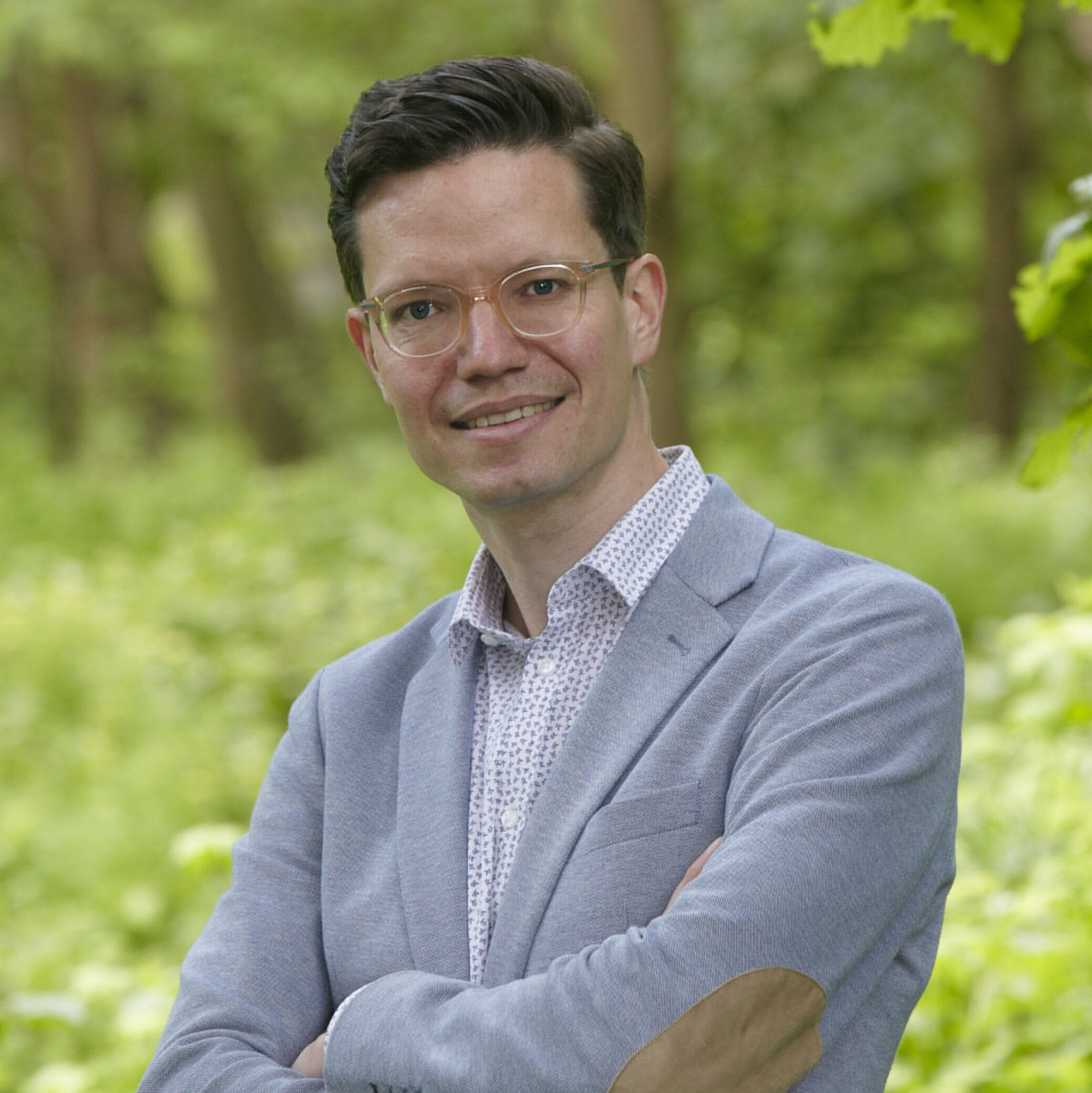
Welcome to the eighth episode of Season Two of Wisdom for Wellbeing Podcast. In this episode I interview Dr. Tom Nehmy, a Clinical Psychologist, author of the brilliant book Apples for the Mind and developer of the Healthy Minds Program. The Healthy Minds Program is the first evidence-based program designed to prevent the onset of symptoms of depression and anxiety as well as eating disorders such as Bulimia nervosa. Tom first started sharing this wisdom in schools (how much do you wish you got taught such skills as an adolescent!), and now supports wellness-focused businesses to keep their employees thriving through The Healthy Minds Program.
No doubt you will enjoy this episode! Tom is brilliant at explaining complex concepts in a relatable and easy to understand manner. Beyond the entertaining presentation style, you’ll find he also offers you actionable steps to cultivate wellbeing in the important domains of your life, and practical ways to consume the ‘apples’ your mind needs to thrive.
Want to keep in touch? Head to @drkaitlin on Instagram or @wisdomforwellbeingpod on Facebook to connect.
What is covered in this episode:
>> How failing to becoming a race car driver taught Tom important life lessons
>> What ‘psychological immunisation’ means and how you can become very mentally healthy
>> The core toolkit you need for preventing mental health problems and cultivating wellbeing
>> Why mental health is a continuum that you sit somewhere along
>> The six faucets of wellbeing in your life
>> Understanding emotions and how to effectively respond to them
>> The power of self-compassion to transform your relationship with yourself
>> Learning more from participating in The Healthy Minds Program and Tom’s book Apples for the Mind
Links Discussed
- Healthy Minds Program Webpage (Offering wellbeing workshops for schools and businesses)
- Dr. Tom Nehmy’s Webpage
- Buy Tom’s book Apples for Your Mind

Dr. Tom Nehmy
Dr Tom Nehmy is an award-winning clinical psychologist with a passion for preventing psychological problems while also enhancing resilience and wellbeing. His university research produced the world’s first prevention program to prevent the onset of symptoms of depression and anxiety while also reducing risk for eating disorders.
Tom currently works with companies, schools and professional organisations to help them build psychological skills for mental health, wellbeing and resilience. More than 30,000 people have attended his workshops, training programs, invited keynote addresses, and conference presentations across Australia and around the world. His work has been featured widely in the media, but most importantly it gets outstanding feedback from participants.
*Photo credit: Cath Leo
Transcript
Kaitlin Harkess: [00:00:00.20] Hello. And you see the little red dot button. Yeah, beautiful. Well, Tom, welcome to wisdom for wellbeing. Thank you so much for agreeing to come on the podcast today and have a chat with our listeners about the amazing work you are doing in regards to what we would call preventative psychology.
Tom Nehmy: [00:00:19.20] Thanks for having me know it’s great to be on your podcast.
Kaitlin Harkess: [00:00:22.70] Well, I guess just to start things off Tom. Would you mind you’re sharing a little bit about who you are and the amazing work that you’re doing?
Tom Nehmy: [00:00:31.30] Well, [00:00:30.00] I’ve I didn’t start out wanting to be a psychologist. I wanted to be a racecar driver, but that didn’t work out and I became a clinical psychologist eventually and I spent many years doing I guess what you might call typical Clinical Psychology work. I did a lot of therapy with people of all different ages for things like anxiety and depression and that gave me some unique insights into
Tom Nehmy: [00:01:00.00] really [00:01:00.00] these ingredients that cause people to be mentally healthy and the concept that really infatuated me was psychological immunization that if we took these skills that we teach people in the therapy room outside the therapy room into places like schools and workplaces. Maybe we could prevent problems and maybe we could help people to be very mentally healthy and this is a approach to psychology many people don’t think about that.
Tom Nehmy: [00:01:30.10] That’s [00:01:30.00] now become a hundred percent of our work and and I’m thrilled now to have spent time at Flinders uni developing healthy minds program. We had some amazing results. They were published in 2015. I think in a major international scientific journal and since then our work is all about preventing psychological problems, and it’s an exciting space to work in and I find it really rewarding because
Tom Nehmy: [00:02:00.00] People [00:02:00.00] do connect to these ideas. Once they hear them.
Kaitlin Harkess: [00:02:03.10] I really like how you use the term psychological immunization and we’re recording this during you know, the coronavirus pandemics. So hearing the idea of psychological immunization. I’m sure we’ll fly again resonate with a lot of people you also mentioned, you know your work with Healthy Minds. I know you went to flinders and really established an evidence-based program. You did your whole PhD developing and cultivating a program.
Kaitlin Harkess: [00:02:30.10] Provides [00:02:30.00] the psychological immunization. Would you mind sharing what Healthy Minds is so the listeners know this amazing work you’re doing well.
Tom Nehmy: [00:02:36.90] Absolutely. I really was thinking about what is that core toolkit? You know, one of the things that everybody can benefit from knowing and applying in their life in order to have good mental health and be less likely to get stuck in things like anxiety and depression. So this was a question that consumed me for a while.
Tom Nehmy: [00:03:00.00] and [00:03:00.00] of course. My first step was to look at what happened when other people around the world other researchers tried to prevent these problems and what I found was that the outcomes for prevention were generally pretty poor and if at first that surprised me a little bit because I know there’s an incredibly strong evidence base for psychology in terms of treatment interventions.
Tom Nehmy: [00:03:30.00] We’re [00:03:30.00] pretty good most of the time for most problems in terms of helping people and there’s good scientific evidence for that. But in terms of preventing them the evidence was not so good. And I remember distinctly just being a few weeks into my candidature and a very well-respected professor in in the psychology department. I was in actually pulled me aside and she heard me speak about my plans for my
Tom Nehmy: [00:04:00.00] A [00:04:00.00] PhD and she said look, I love your enthusiasm. I think it’s it’s great what you’re trying to do, but I feel like I need to warn you that you mustn’t get your hopes up because prevention research generally doesn’t work. These prevention programs don’t seem to be doing much. So for me, I knew that I would need to take a different approach and it was interesting because it was just around the time that transdiagnostic theory was gaining traction and your mind just explaining what transdiagnostic theory?
Tom Nehmy: [00:04:30.30] If [00:04:30.00] you look at the word, it’s made up of trans and diagnostic. So trans meaning across and between and diagnostic meaning diagnosis. So across some between multiple diagnoses. It really speaks to what are those fundamental underlying things that affect people’s mental health. Generally. What is it? That’s that’s common between different conditions. And so this was a very different way of thinking about it because
Tom Nehmy: [00:04:59.90] Typically [00:05:00.00] treatments and prevention as well were very much about targeting particular syndromes particular clusters of symptoms or you know, what we come to know is various disorders. And you know, as I said, the the outcomes weren’t great and so for me, it was about looking at a different approach. What would be something that might work something that was new and different and so transdiagnostic theory was just gaining traction because it said
Tom Nehmy: [00:05:30.00] Well [00:05:30.00] psychological problems have more in common than not and that there are these processes that operate across in between many conditions. Now this really resonated for me as a clinician and I don’t know if you can relate to this Kaitlin or not, but it occurred to me that you know, it would be very strange to have a client who presented with anxiety for example, but who had no symptoms of depression whatsoever or if someone had an eating disorder like bulimia nervosa to have
Tom Nehmy: [00:06:00.20] No [00:06:00.00] symptoms of anxiety that as well would be strange. And of course, this is what we call comorbidity. It’s the it’s the observation that problems tend to co-occur. And so that fits with what transdiagnostic theory is saying because if these psychological problems tend to occur together, they seem to be related then transdiagnostic Theory says, what are the underlying mechanisms that that are relevant to many of these conditions?
Tom Nehmy: [00:06:30.00] and [00:06:30.00] so for me that was starting to think about things like well, how do we understand and cope with emotions? Generally and we are what is healthy thinking not just not just the kind of thinking that is the antidote to depressive thinking but also these other unhelpful and biased ways of thinking that we know affect people’s functioning and what are the broad risk factors that confer risk to people.
Tom Nehmy: [00:06:59.90] for [00:07:00.00] multiple problems and what are their protective factors that are protective across multiple factors. So this was like stepping back and surveying the big picture landscape of what makes somebody healthy in their mind. And that was the starting point of then constructing this program, which initially was eight classroom lessons to be delivered in high schools. And then that’s that’s where it kind of the it all began as a program.
Kaitlin Harkess: [00:07:28.50] That’s incredible. So,
Kaitlin Harkess: [00:07:30.30] This [00:07:30.00] is not just something that you you know, we’re sitting around and kind of thought. Oh, this would be a good idea. You actually went and did a PhD like you compiled the research you’ve published the research and really prestigious journal around the ingredients to create psychological well-being through looking at different. I guess commonalities between different mental health disorders or challenges people might have as well as the protective factors that are common for
Kaitlin Harkess: [00:07:59.90] a [00:08:00.00] wide variety of I guess life life difficulties.
Tom Nehmy: [00:08:04.50] Yeah. Yeah, and it’s it’s about thinking about mental health in a different way. So not needing to put everything into little boxes of diagnosis and you know people tend to often think of themselves as either, you know, they can be quite categorical about mental health either. I’m healthy or I’ve got a problem either I’m depressed or I’m not and you
Tom Nehmy: [00:08:30.00] See [00:08:30.00] that’s a very black and white way of thinking about mental health. Whereas I think we all sit somewhere on a continuum of mental health and you know one extreme we really not functioning well at all, but we can be all along that kind of scale all the way up to being very mentally healthy and we all sit somewhere on that scale. We all sit somewhere on that continuum and we move up and down it so external stresses might impact that but what we
Tom Nehmy: [00:08:59.90] I choose [00:09:00.00] to do what we understand and how we apply our skills of self-management can also move us along that scale can move us up to their healthy end. And this is for many people not the usual way of thinking about mental health because unlike our physical health where we we assume some responsibility for it. We kind of get that if we engage in unhealthy behaviors if we eat the wrong thing if we don’t exercise we know that it’s going to have an impact on our bodies. So they
Tom Nehmy: [00:09:29.90] This [00:09:30.00] this implied responsibility now knowing what we need to do doesn’t always translate into actually doing it. But most people you would say kind of know the things they need to do to be healthy in their bodies with mental health. It seems to me quite different people often don’t quite understand. What good mental health even is what does it look like? What does it feel? Like, how can I get it? And so there’s almost this fatalism where people hope and pray that they’re going.
Tom Nehmy: [00:09:59.90] To [00:10:00.00] be mentally healthy, but don’t necessarily know how to create it for themselves and at the heart of it. That’s what the healthy minds program has become it’s about saying well, these are the things that you can do to cause yourself to be very mentally healthy. And if you’re very mentally healthy, you’re going to function better. You’re going to perform better at work. You’re going to be a better partner. You’re going to be a better parent. You can have more energy and motivation. You’re going to make better decisions all of these things that we would want for ourselves, but it seems to me that while in our
Tom Nehmy: [00:10:30.30] We [00:10:30.00] generally know what to do for our bodies people don’t always know what to do for their minds and that’s really what the health minds program is all about.
Kaitlin Harkess: [00:10:37.80] And to facilitate that you’ve come up with this amazing model like the well-being wheel that has different components that we could focus on and that influence our health. Would you mind just sharing what that what that wheel is what the model is.
Tom Nehmy: [00:10:51.20] You did definitely the well-being wheel Kaitlin is a way of destigmatizing mental health and also helping people to understand it in a
Tom Nehmy: [00:10:59.80] A really [00:11:00.00] practical way so we’re often people think about mental health in terms of symptoms diagnostic categories the problems they might have we say that mental health is best described with the word well-being because the word well-being implies that it’s it’s about more than just not being unwell, it’s about more than just not having a disorder and also being
Tom Nehmy: [00:11:29.90] Really [00:11:30.00] mentally healthy is about more than just your mind. So the word well-being invites us to think about what are the ingredients in the big picture of our life that cause us to be mentally healthy as and and that’s not just our psychology. Of course. We spend a lot of time talking about the psychology of it, but it’s not just about psychology. So the world being will is six factors and these are six factors that anybody can influence and kind of self-assess.
Tom Nehmy: [00:12:00.70] They [00:12:00.00] could take charge of these six factors as a way of building their own mental health. And each of these six factors is really backed by good solid scientific evidence for its impact on mental health. So I’ll take you around the world being will so that your listeners can get a feel for what these ingredients are.
Kaitlin Harkess: [00:12:21.10] That will be wonderful. Thank you Tom.
Tom Nehmy: [00:12:23.20] Well in no particular order. The first one I’m going to talk about is our primary relationships. So what I called
Tom Nehmy: [00:12:30.00] Primary [00:12:30.00] relationships or any relationship that is significant enough that it’s likely to impact you on a day-to-day basis. So this means who we live with who we work with closely and who would just emotionally closest to where our strong bonds are if those relationships are really healthy and they’re encouraging and they support us. Well, it’s a no-brainer that’s going to influence our mental health if we don’t have those supports also that’s
Tom Nehmy: [00:12:59.80] To [00:13:00.00] influence us so this is one of those key factors and you’d be surprised at how often relationships and some of these interpersonal factors really get missed in models of mental health, you know, a lot of the academic literature talks about a biopsychosocial model of mental health. They say well, yeah, there’s biological factors. There’s psychological factors and there’s social factors, but that kind of so
Tom Nehmy: [00:13:29.90] Sure, [00:13:30.00] interpersonal relationship side of things often too often gets ignored. So we include it here. The next one is about our biological needs in our bodily health. So these are really practical things like sleep being hydrated having a balanced diet managing any health risks that we might have and these are all things. I think people are
Tom Nehmy: [00:13:59.80] At the moment, [00:14:00.00] you know, the current context of the world is you mentioned the covid-19 pandemic. These are things that that they seem like little things they seem like things that we just let it run on automatic pilot, but we could kind of take charge of these as opportunities to maintain our mental health.
Kaitlin Harkess: [00:14:16.00] Really good message in a time where it feels like we don’t have a lot of control. There’s a degree of uncertainty were operating within but this is something where we can take control and really positive manner by the sounds. Yeah, I think so.
Tom Nehmy: [00:14:29.80] I think [00:14:30.00] these are the things we can take stock of and make sure that we’re doing really well. The third factor is exercise now bed be an argument to say that that’s a bodily need in it’s about biological health, but we deliberately give it an entire segment of its own and that’s because we know that exercise has such a pervasive influence on a person’s mood and their ability to manage stress, basically.
Tom Nehmy: [00:14:59.90] So, [00:15:00.00] you know, even for some people who are suffering from mild depression if they’re very inactive then for a subset of those people simply exercising vigorously regularly could be the thing that breaks them out of their depression. That’s how significant exercise is. So as a preventive strategy, it’s also really powerful any time somebody goes and exercises that are doing a mental health strategy.
Tom Nehmy: [00:15:30.10] And [00:15:30.00] so at the moment people are probably thinking oh, but I’m isolating. I’m stuck at home. I can’t get to the gym or I can go here and there. Well, that’s really a challenge that is incumbent upon us is to be flexible right now. So exercising at home. It’s easy for me because I often exercise at home. It’s just one of the things that I do it’s an opportunity for people to boost their mental health right now, so
Kaitlin Harkess: [00:15:59.70] Probably the [00:16:00.00] chances that you said to be flexible and creative about how they might do it differently if they always went to the gym before. I know a lot of gems are putting classes online and if they have and I think a lot of local businesses would probably love to have someone new come and join their classes or you know, YouTube something if they need a workout idea.
Tom Nehmy: [00:16:17.90] Absolutely. Absolutely. So I think that’s an opportunity for everyone right now listening is if you’re not exercising, this is a way you can boost your mental health then we come to
Tom Nehmy: [00:16:29.90] psychological [00:16:30.00] skills now this is this is the segment of the well-being Wheel that for many people is a bit of a mystery. You know, it’s funny Kaitlin. I think people assume a level of esoteric knowledge in Psychology. There’s I had a had an Uber driver several months back when I told him I was a psychologist. He asked what I did for a living. I told him and he nearly ran off the road and he looked at me and said so you know what I’m thinking
Tom Nehmy: [00:17:00.90] I [00:17:00.00] sent to him no man, I’m not a psychic. I’m a psychologist and he there was sort of this assumption that I was somehow reading his mind and people often do ascribe this kind of level of esoteric knowledge to psychologists. That isn’t really Justified. I mean certainly intuition is a thing but you know, people are remember doing undergraduate study and friends and saying, oh you analyzing me
Tom Nehmy: [00:17:29.80] Am [00:17:30.00] I was like dying? No, I’m really not and please invite me to the party. So, you know psychological skills for many people is a mystery and if we introduce the well-being wheel in one of our healthy minds workshops, and if I don’t give examples of what I mean, invariably someone will put up their hand and say the what do you even mean what are psychological skills? So this really is the heart of what we mostly teach
Tom Nehmy: [00:17:59.70] I mean the [00:18:00.00] sleep the exercise we can get that knowledge all over the place, but the psychological stuff is what we really hone in on. So for people listening that the things that we’re talking about are things like our ability to make good decisions when we feeling strong emotions. It’s about thinking in ways that are healthy and helpful to us and it’s also about things like how we relate to ourselves how we treat ourselves how we evaluate
Tom Nehmy: [00:18:29.80] Judge [00:18:30.00] ourselves that’s another big part of it. So that’s something we can expand on in a minute. If you like. There’s always a lot to talk about with psychological skills. And and then the last couple of segments on the well-being will the next one is I call it the balance segment and it says that part of being mentally healthy means having fun for fun sake having interests outside of our work or our schooling and just having a social life generally.
Tom Nehmy: [00:18:59.70] so [00:19:00.00] this is you know, it’s probably one of the things that’s most challenged at the moment if people are stuck at home and that kind of thing but we’ve got to kind of take this as a challenge we’re going to make it a project. How can we have that fun? How can we keep those social connections going and then the final one is what we call the big picture segment and that’s about meaning and purpose. It’s about living according to our most deeply held values.
Tom Nehmy: [00:19:30.30] Why [00:19:30.00] do we get up in the morning? What really matters in life? Why am I here? What’s my contribution to the world these kind of things no matter what the answer if you can tune into that then that’s a really important thing that’s going to sustain you that that’s about Rising above the short-term day-to-day ups and downs and and being able to see a bigger picture sense of progress. So if we live according to those
Tom Nehmy: [00:19:59.70] values [00:20:00.00] then that’s I think a really healthy thing if we know that we are compromising what we in our heart know is right or important then that’s going to detract from our well being.
Kaitlin Harkess: [00:20:11.20] Okay. This is incredible. So it’s a real framework that people can actually look at and see how they’re going in each of the areas. So looking at the relationships kind of exploring whether they’re supportive whether they’re validating look at how they’re treating themselves in regards to their biological needs how they’re supporting their health and that
Kaitlin Harkess: [00:20:29.70] Framework, [00:20:30.00] which is the more traditional model. We have perhaps of health making sure that they’re getting an appropriate amount of exercise that they’re taking care of their psychological health and you gave some key questions or a bit of an outline as to what is so that people aren’t sitting there going I can’t read minds yet looking at you no social life and how we how we might be really again using the word flexible in how we live that in the time of covid 19, but more generally making sure that we’ve
Kaitlin Harkess: [00:20:59.60] Got some [00:21:00.00] leisure activities and some joy in our lives and then looking at our sense of meaning purpose and our values to really guide us.
Tom Nehmy: [00:21:08.10] Yeah, absolutely. And I think you know, these are six things that make it pragmatic, you know, it’s not talking about symptoms here. We’re not talking about labels and diagnosis and so it’s sidesteps a lot of the assumptions that people make when they hear the phrase mental health because isn’t it true that for so many people just hearing that phrase mental
Tom Nehmy: [00:21:29.70] Health [00:21:30.00] conjures images of ill health and so we slip into that mindset of just thinking about identifying problems and receiving treatment. We sort of go back into this medical model that in a way is a bit disempowering because if I’m Ill then the person I Look to to fix me is a doctor or a health professional whereas if I don’t think of it as just being a my ill or not, then it’s something I can take charge of and that’s the
Tom Nehmy: [00:21:59.60] Powering message [00:22:00.00] here.
Kaitlin Harkess: [00:22:01.70] With that, you know since I know that you’ve got so much [00:22:05.70] knowledge drama [00:22:06.40] so we won’t be able to unpack it all today. But I wonder if you could share with us a little bit about how we do cultivate good psychological health and that psychological health dimension and you’d spoken earlier about emotions. And for instance you gave the example of you know, how we cope with strong emotions. Would that be an okay place to start maybe looking at emotions and stress given our current climate?
Tom Nehmy: [00:22:29.80] Yeah, [00:22:30.00] absolutely. So I think that kind of idea of understanding what emotions are why we have them what we can do about it is a really big step forward for most people because you know, these are questions we will often ask audiences is where do feelings come from? Why do we have emotions? What’s what’s their purpose? How can we manage them? Well,
Tom Nehmy: [00:22:59.60] and [00:23:00.00] if we just asked people on the street those questions, I think it would be a real struggle to get substantive answers. But when we sit back now and think about those questions where to feelings come from what’s their purpose? How can I manage them? Well, what does a healthy emotional life look like things like that? These are pretty important questions. These are it’s pretty important for us to be able to answer these questions.
Tom Nehmy: [00:23:29.90] In [00:23:30.00] order to have the kind of self knowledge that enables us to be at our best to function really well and so a big part of what we teach people is the answers to those questions when you know the answers to those questions emotions don’t seem intimidating anymore or at least not as intimidating and we don’t feel like our lives are being driven and governed by emotions and their urges. That’s a
Tom Nehmy: [00:23:59.60] A very [00:24:00.00] empowering step for a human being to take and so I guess we can have a go at answering some of those now feel like Kaitlin.
Kaitlin Harkess: [00:24:09.10] Yeah, would that be okay maybe if we start with where feelings come from?
Tom Nehmy: [00:24:13.30] Yeah. Definitely I think you know people might say well don’t feelings happen in your brain or don’t they come from your heart? These are all I think valid perspectives to a certain degree, but my psychological answer to that is that
Tom Nehmy: [00:24:29.60] Feelings [00:24:30.00] don’t really come from events in our life. And probably that would be the most common answer people would say well something happens and then as a direct response, I have a feeling so something something really frustrating happens. I’m going to feel angry if if something terrible happens, I’m going to feel upset or sad or whatever the case may be. But really what psychologists have learned is that it’s not really the event itself that causes how we feel it’s actually how we
Tom Nehmy: [00:24:59.60] We think about [00:25:00.00] and interpret that event. So an example I often give is just a simple everyday one that if you arrange to meet your friend and half an hour had gone by past the meeting time your friend hasn’t shown up. There’s a few different possible emotions. Probably many different possible emotions that someone might feel I’m sure some people listening might think we’ll that would really annoy me. I’d be angry some people might think all gee I’d be really worried.
Tom Nehmy: [00:25:29.10] Others might feel [00:25:30.00] really dejected and let down and I was might not be that bothered at all. They might still be feeling calm and these are all valid and quite possible outcomes, but we need to realize that it’s actually that automatic thought we call them automatic thoughts because their ways of thinking that are often subconscious often outside our awareness and anytime you mentioned subconscious people start thinking it’s getting a bit. Woo, but really all we mean is we just not
Tom Nehmy: [00:25:58.90] Fully aware in [00:26:00.00] the moment of all our thoughts and it would be impossible to be aware of our thoughts every day because our brains do so much information processing. So if that automatic thought that we’re not really consciously aware of when we’re having it but if that automatic thought is G. This is really rude, you know, they’re not respecting my time that’s likely to be the thought that causes us to feel angry or annoyed if the thought is something terrible has happened and that’s our assumption that
Tom Nehmy: [00:26:28.80] It’s our automatic thought [00:26:30.00] then you can understand someone might be feeling worried or anxious in response to that the person who thinks I’m not important enough for them to have remembered they’ve stood me up is going to be the person who feels dejected and down and the person who might be sitting there saying well, I’m sure they’re stuck in traffic or we’ll figure out another time. It’s not a big deal will reschedule it. They’re likely not to have a particularly strong emotion now for some of your listeners right now.
Tom Nehmy: [00:26:58.90] Might be thinking but what do we know [00:27:00.00] about the person who is it? You know what they usually late and of course all of that context will inform our thoughts but this principle is really the most important thing to know about is that our thinking strongly influences how we feel so psychologists have learnt that we can develop habits of thinking that predispose us to different emotions so we can some people will have a style of thinking where they automatically
Tom Nehmy: [00:27:29.00] Think they [00:27:30.00] automatically assume the worst case scenario. So some people listening might relate to this we call this catastrophizing and it’s kind of when we overestimate the chances of something going wrong. It’s when we always overestimate how bad it would be if something went wrong and for those people all of these little kind of innocuous things that could happen day to day whether it’s friend doesn’t bring us back when they said they would or we get him an email from the boss saying they want to see us at the end of the day or
Tom Nehmy: [00:27:58.90] Whatever the case may be [00:28:00.00] if that’s going through the filter of catastrophic thinking then it’s easy to understand how that person could become stuck in anxiety.
Kaitlin Harkess: [00:28:08.30] It makes a lot of sense. So it’s something that happens pretty quickly. There’s automatic thought that happen. A lot of people, you know, it being automatic and it arising really almost instantaneously might not be something that people are even aware is so influential in regards to the emotions that they’re experiencing, but it sounds like the wisdom your
Kaitlin Harkess: [00:28:28.80] Providing highlights to [00:28:30.00] listeners to watch for that to notice if certain thinking patterns certain styles like always looking for the worst case scenario or what we call catastrophizing if those patterns are coming up in earlier today. You describe something called black and white thinking so something being, you know, either good or bad right or wrong that those styles of thinking might be something we can start to be aware of and mindful of.
Tom Nehmy: [00:28:55.30] We can we can start to change into it. I think for many people
Tom Nehmy: [00:28:59.00] Are completely [00:29:00.00] unaware of their automatic thoughts but part of having that self wisdom if you like is starting to just tune into what those habits are. I mean often in our regular day-to-day life, we would start to notice how good and bad habits things that we tend to do things that might be healthy or not. But in psychological lives, we need to start tuning into some of these thinking patterns, perhaps so
Tom Nehmy: [00:29:28.80] So the the starting [00:29:30.00] point is to notice, what are your patterns of emotions? Because that’s the easier thing to notice. So if anyone says well, yeah gee I’m always that person who’s really worried or feeling panicked then we can take a step back and we can ask. Well if you had to take a guess at it and write it out in a sentence. What was the thought that cause you to feel panicked if you had to put it into a statement and that’s when we get this window into our automatic thoughts and
Tom Nehmy: [00:29:59.30] Often it’s really [00:30:00.00] helpful for people to diarize their thoughts just literally to write them down when they’re feeling strong emotions. You know, I’m feeling this because I was thinking and feel answer that sentence.
Kaitlin Harkess: [00:30:12.40] That’s a great action that people can take away so listeners right now if you’re driving maybe not but otherwise maybe make a note that you can do this that you can go on feeling this because I was thinking this to start to diarize it really regularly and start to give that same attention to your
Kaitlin Harkess: [00:30:28.80] psychological healthy that you might be doing [00:30:30.00] to other areas in regards to your physical health and things that we feel perhaps more aware of her in control of why would someone be prone to to experiencing anxiety what you know, you mentioned that sometimes emotions have a purpose what’s going on with the purpose. Why does why do we feel these uncomfortable things?
Tom Nehmy: [00:30:50.90] Well, the feeling the emotions themselves there’s this kind of two questions here one is what’s the purpose of
Tom Nehmy: [00:30:58.80] Is and the [00:31:00.00] other is why would someone gets stuck in a particular emotion and really that that stuckness is really the sign of yeah, maybe it being a problem not necessarily a disaster. It’s very common for people to be stuck in particular emotions, very common. It’s part of Being Human, but if we did notice that we’re kind of all like day after day we’re feeling worried or something’s happened then a week later my
Tom Nehmy: [00:31:28.70] Availing feeling is [00:31:30.00] panicked and anxious then that’s when we need to say. Okay, why am I stuck in this state? And and why am I emotions not like the weather because really that’s the hallmark I think of a healthy emotional life is when emotions come and go and but the answer of why we have emotions at all. I mean, we know they’re kind of come from this thinking they also come from you know,
Tom Nehmy: [00:31:58.80] Thoughts aren’t always [00:32:00.00] verbal loud always in in words and sentences but that’s a good way of capturing them. It can also be in images and it stems from things like our perception of threat. So if you want to know why we are the way we are look to evolution. Evolution gives us a lot of clues as to why we are the way we are and so
Tom Nehmy: [00:32:28.70] So from an emotional [00:32:30.00] standpoint an emotion, like fear is very adaptive people people with anxiety disorders say they want to get rid of fear often. I want to get rid of this feeling and my message them is what we don’t want to get rid of it completely. We don’t to be stuck in it, but we don’t get rid of it because if we as humans couldn’t experience fear we’d be dead.
Tom Nehmy: [00:32:54.50] None of us would exist now because that ability to perceive threat to who receive [00:33:00.00] those physiological correlates of anxiety a racing heart and you know blood pumping around our body that enabled us to keep ourselves safe. So the gift of fear the purpose of fear is to be safety seeking so we can almost think about emotions as having a really really helpful purpose
Tom Nehmy: [00:33:24.00] full side to each of them and the shadow side or the difficult part of these emotions [00:33:30.00] is either that subjectively they just don’t feel that nice sometimes or that if we let that emotion run our life, then that could cause problems so emotions are often designed for a short-term response to help us in the moment. And then we go back to a balanced state so fear is one example of how its adaptive.
Kaitlin Harkess: [00:33:51.30] That’s a really a beautiful framework. I’m
Kaitlin Harkess: [00:33:54.00] Ever heard of the gift of fear, but what a lovely way to practice some willingness to receive [00:34:00.00] to experience that emotion because if we know that it is something that evolved to help us survive and you know got us here to this point in evolution today. It does change the relationship and then in the context of the weather, you know emotions coming and going like a thundershower might show up one day and the next day maybe we get a rainbow. It makes it feel less scary lesson. No one if we know
Kaitlin Harkess: [00:34:24.00] That there’s perhaps going to be some fluctuation and if there isn’t then that’s when we might have to look to seek a little [00:34:30.00] bit of support and help so we can get back on board with the idea of emotions coming and going even the ones that might subjectively feel more uncomfortable.
Tom Nehmy: [00:34:38.30] Yeah it exactly and this is the big trap for many people is that there is a prevailing myth which says if I’m mentally healthy, I must feel good and it’s a myth. It’s nice to feel good. We want to feel good.
Tom Nehmy: [00:34:54.00] regularly but it’s not normal to feel good all the time and if people see not feeling good not [00:35:00.00] feeling happy, let’s say in any given moment if they if they judge that as their best indicator of whether or not there mentally healthy then I think many people are going to be judging their mental health harshly saying well, I’m not there yet or something’s not right. I’m not feeling happy and I can understand why people hold that as the ultimate outcome. They feel that being happy.
Tom Nehmy: [00:35:24.00] Kind of all the time is what they’re working towards many parts of our society is built up to give that us that impression [00:35:30.00] and I certainly before I understand understood all of these things. I was of the view that you know, my purpose in life was to get things lined up to a point where I just felt good all the time. I thought that was going to be the payoff. It’s kind of almost this head and mystic goal, but I’ve since realized that life having meaning and purpose.
Tom Nehmy: [00:35:54.00] Richness, excitement, challenge for me is much more important than just [00:36:00.00] feeling good all the time. I want to feel good regularly, but it’s definitely not normal to feel good all the time. So let’s not judge ourselves. If we’re not feeling happy on any given moment.
Kaitlin Harkess: [00:36:10.70] As two things. I want to grab from that time you mention life having meaning and purpose and with that, you know, it kind of leads to perhaps the understanding that there’s going to be some challenges.
Kaitlin Harkess: [00:36:24.00] some stressors along the way in regards to creating a life that has meaning and purpose. It may not always be easy and in that [00:36:30.00] pursuit it may mean that things do not feel happy all the time. But that there’s an underlying framework for why you might do something that’s more difficult or challenging. Would you mind talking us through how we manage stress or what it means because a lot of a lot of us are quite nervous around feeling stressed and are worried about it.
Tom Nehmy: [00:36:50.60] Yeah, and that’s where if we just if we see
Tom Nehmy: [00:36:53.90] Some of these so-called negative emotional states as being natural and normal, then we can [00:37:00.00] be willing to accept them. And that’s kind of the first step is to say well, this is natural. This is part of life. It doesn’t mean there’s anything wrong with me just because from time to time I’m feeling stressed or uncomfortable or angry or sad all of those things are absolutely part of a healthy psychological life. And so for people who hold the view that lets say
Tom Nehmy: [00:37:23.90] Is a stress. For example, if they hold the view that stress is harmful stress is bad. Then when [00:37:30.00] inevitably in the court of the meaningful life that has responsibility and involves challenging difficult things. We do experience stress that’s going to happen. Then we might judge ourselves as like I’m going to get stressed about being stressed because if stress is bad if stress is harmful, holy moly, I’m stressed and now I’m stressed about being stressed it.
Tom Nehmy: [00:37:54.00] compounds itself and so another one of these myths that we need to bust is that stress is inherently bad because it’s [00:38:00.00] not and some stress is good for us. Some stress helps us perform well, if you’ve got, you know when we’re on holidays or some the weekend sure we don’t feel stressed you want to feel relaxed and calm perhaps we might want to feel a bit excited while you’re watching your favorite football team play or whatever the case may be, but mostly you might want to feel calm and relaxed.
Tom Nehmy: [00:38:23.90] That’s fine. But in my working week, I know for me, I don’t want to feel perfectly come. I want to have a [00:38:30.00] bit of pressure a bit of stress because it makes me alert. It means I don’t put things off I make decisions. I’m efficient and I tend to perform better and this is actually something that’s well recognized in Psychology. It’s called the yerkes-dodson law and the yerkes-dodson law has shown us that stress isn’t inherently good or bad. It’s about having the right.
Tom Nehmy: [00:38:53.90] And at the right time and on most tasks, we’re going to perform better if we’ve got mild to [00:39:00.00] moderate stress then no stress at all. So, of course, we don’t to be overstressed we’re going to be stuck in a state of you know, overwhelming traumatic or cumulative stress, but mild to moderate stress is healthy and actually desirable sometimes.
Kaitlin Harkess: [00:39:14.70] That’s a beautiful so we could all be keeping that in mind that you know, when we consider the challenges that we might be approaching in our life that that’s not a bad thing.
Kaitlin Harkess: [00:39:23.90] Thing to feel a little bit stressed about them that could actually enhance our performance. So rather than being as you said stressed about being stressed, [00:39:30.00] we might be able to embrace and recognize the positive element that comes with this emotional experience.
Tom Nehmy: [00:39:37.20] Yeah, absolutely and we can also then have like a willingness to experience it and what I’m saying to people at now at the moment dealing with this pandemic is you know that there probably will be frustrations and stressors from just from the sheer loss of control and freedoms that we normally have
Tom Nehmy: [00:39:53.90] Some people are worried about you know, the virus itself. Some people are worried about their financial [00:40:00.00] implications of what’s going on at the moment and that’s all completely fair enough that they have those worries. I’m suggesting the people that if you know, if you’re finding that you’re more stressed than normal if you’ve got these frustrations in your life because of the pressure that’s around you treated like an uninvited guest, you know, treat it like you are graciously allowing it to be in your life
Tom Nehmy: [00:40:23.90] Temporarily because if you have that mindset of being willing to accept it doesn’t mean you’re like it [00:40:30.00] doesn’t mean you want it but you’re willing to accept that. It’s there just for the time being it will free you up to do the other important things that you need to do. It’s going to give you some head space to focus on your relationships to focus on life and just get done what you need to get done.
Kaitlin Harkess: [00:40:48.50] How beautiful to practice being a gracious host to these uninvited experiences to
Kaitlin Harkess: [00:40:53.90] Uninvited guests that I’m sure we can all empathize with as we sort of start to wrap [00:41:00.00] things up. I was wondering if you would also give the listeners a bit of an overview of the concept of self compassion just quickly because I wonder if that applies as well. You know, I’m we’re experiencing these uncomfortable emotions or feeling particularly overwhelmed. You’ve focused a lot on self compassion in your work and I think that sounds like a really beautiful another gift, but we could we could give the listeners.
Tom Nehmy: [00:41:25.10] Oh, definitely and when we talk about trans diagnostic factors, one [00:41:30.00] of the biggest protective factors against all forms of mental ill-health, I think is self-compassion. And this is a very different concept to the phrase self-esteem, which we all hear a lot about, you know, for years decades even it’s been about self-esteem helping people to feel good praising them evaluating ourselves favorably.
Tom Nehmy: [00:41:53.90] But self-esteem’s not everything it’s cracked up to be and self-compassion is much more powerful and self-compassion [00:42:00.00] is how do I treat myself? How do I treat myself when I’m going through a difficult time or I’m having a bad day or of made a mistake. Do I treat myself with that same kindness and forgiveness and acceptance that I would someone that I really cared about and for many people they don’t they don’t afford themselves the same kindness and forgiveness.
Tom Nehmy: [00:42:23.80] Ominous that they afford the people that they care about and this is a big opportunity for [00:42:30.00] people to change their emotional lives at simply to say, well I can be my own best friend. I can be a wise supportive and encouraging voice to myself.
Tom Nehmy: [00:42:46.10] I’ve realized in my late teens that I was more harsh and hard-hearted and judgmental of myself than the people around me and this had become a stumbling block emotionally. So [00:43:00.00] when I started to just comprehend and I didn’t I wasn’t familiar with the terminology self-compassion back then but it was just this idea. I could be a friend to myself and that really
Tom Nehmy: [00:43:13.60] changed my life it meant that I could rely on myself for what I needed. I could give myself comfort I could give myself encouragement. That’s a powerful thing. You know, we spend our whole lives in our own [00:43:30.00] heads with this kind of self talk that is often automatic and subconscious so it can be transformative for people to say I’m not going to allow myself to be
Tom Nehmy: [00:43:43.70] Treating a harsh manner that is not fair. I’m going to treat myself with kindness and that single shift for some people is just life-changing.
Kaitlin Harkess: [00:43:53.80] You use the word powerful, you know, it’s interesting to me to hear that self compassion, which is something [00:44:00.00] that sometimes we think. Oh, like that’s a little bit like weak or not, not particularly helpful. Like I wouldn’t do anything if I was that compassionate to myself that you actually use the words powerful and highlighted how differently we treat other people in our lives and the
Kaitlin Harkess: [00:44:13.60] different compassion and kindness and encouragement that we might provide to someone we care about and we know that when we treat those people well, they feel better perform better. Everything in their life is perhaps a little bit more smooth sailing and that if we reflect that back on ourselves, what a powerful gift them. [00:44:30.00]
Tom Nehmy: [00:44:30.40] It is powerful and then it’s something that strong powerful people can do one of the most telling pieces of research to come out of the self-compassion literature was by
Tom Nehmy: [00:44:43.60] [00:44:43.60]The nerve who [00:44:45.10] looked at returned service men and women in the Marines and the Army and then come back from war zones in Afghanistan in the Middle East and they looked at their levels of self-compassion and founded [00:45:00.00] self-compassion was more predictive of whether or not they were traumatized by war than by how much combat exposure they saw so edible. It’s it this tells us and this is these are not
Tom Nehmy: [00:45:13.60] Not wishy-washy weeks of you know people these are these are soldiers and their self compassion was the thing that protected them from being traumatized. So it is powerful.
Kaitlin Harkess: [00:45:26.30] And can do incredible things for us in terms of how you know listeners [00:45:30.00] might be able to start to cultivate their psychological skills you through healthy minds do some amazing work around some secrets, you know, you mentioned the psychological well-being in sometimes considered
Kaitlin Harkess: [00:45:43.60] To be this mystery. So you introduce introduce participants to the secrets of healthy minds. Would you share a bit about how people can access that wisdom or access them apples for the minds the same way we might try and keep the doctor away playing exactly. [00:46:00.00]
Tom Nehmy: [00:46:00.70] Yeah. Now you’re absolutely right. So, of course, we work with schools and companies but individuals can access all of the information that we share and teach one of the ways is through one of our online.
Tom Nehmy: [00:46:13.50] workshops so our flagship workshop is called seven secrets to a healthy mind and that is actually on our website healthymindsprogram.com. There’s a clear link to click through to that if people would like to put a link in the show notes to [00:46:30.00] be great. Yeah, and the other thing is my book apples for the mind. I am I spent years wrestling with my own need for self compassion and persistence and
Tom Nehmy: [00:46:43.60] Healthy stress to really produce this book that contains pretty much all of the really important things that we teach so that’s called apples for the mind and that’s available at you know, all of the major online book retailers.
Kaitlin Harkess: [00:46:59.70] And again, [00:47:00.00] I’ll put a link and not to make too many plans around the apples, but my understanding you’ve got it in bite-sized chunks, you know chapters or people could easily consume the material each day, you know, maybe this could be part of
Kaitlin Harkess: [00:47:13.60] The self care that we give ourselves why we’re in isolation to give ourselves a little bit of time each day where we might consume something that’s really helpful for our mind to cultivate psychological being resilience and give ourselves that gift.
Tom Nehmy: [00:47:27.60] Yeah. Well I say on the on the back cover [00:47:30.00] of the book I’d say, it’s 20 true things that everybody needs to know so you could have an apple a day. How about that?
Kaitlin Harkess: [00:47:38.90] I love it. Well, thank you Tom so much for your time and your wisdom.
Kaitlin Harkess: [00:47:43.50] and I will put all of the links to your amazing resources in the show notes, but as listeners will have heard they can of course head on over to your website to download the seven secrets to a healthy mind and to get a link to purchase your book and consume [00:48:00.00] this amazing material for our mind in a time that does feel a little bit uncertain for a lot of us.
Tom Nehmy: [00:48:05.10] Well, I think there’s a lot that we can do to change our experience. And really this is a time where psychological factors are going to make the difference. It’s
Tom Nehmy: [00:48:13.50] When people understanding and taking charge of their well-being is going to make the difference. So thanks very much for having me.
Kaitlin Harkess: [00:48:20.40] Absolute pleasure.